Eye Protection
If you can read this, your browser is unable to properly import or use
Cascading Style Sheets (CSS). Please upgrade to a more modern browser.
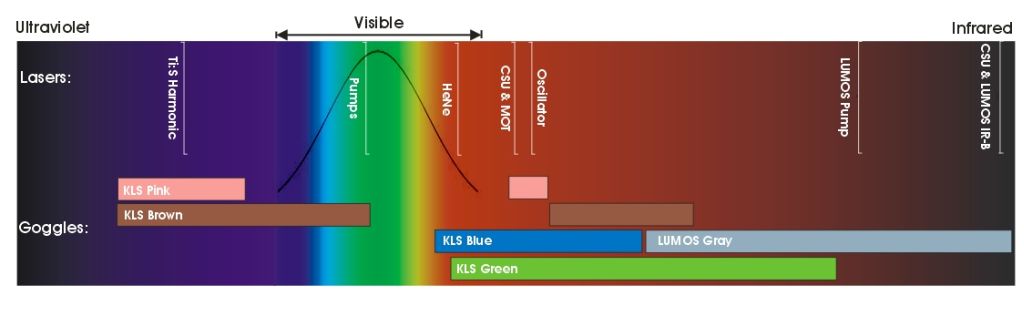
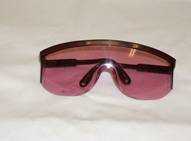
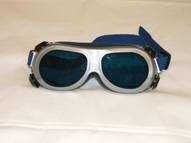
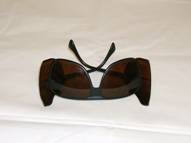
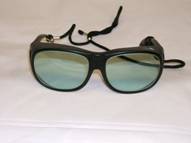
The graphic and table below describe the appropriate protective eyeware for use
with each of our lasers, and the color vision that you should expect using each.
|
Designation |
Use |
Optical
density |
Limitations |
Picture |
|
Pink |
KLS
long pulse, |
4+
@ 755-780 nm, |
|
|
|
Blue |
KLS
short pulse, |
4+
@ 630-690 nm, |
Blocks all visible red light, including red LEDs |
|
|
Brown |
KLS + pump, |
9+
@ 190-520 nm, |
Blocks visible blue LEDs |
|
|
Grey |
LUMOS All |
3+ @ 850-900 nm, |
|
Last updated on Tuesday, 30-Sep-2008

